All Categories
Featured


Optimizing Your Search Presence for the Coming Year
Table of Contents
Export your leading 20 ranking keywords from the Performance tab, search each in an incognito Maps session, record the primary category of the top 3 outcomes, and compare to your own. A mismatch on high-volume questions is the highest-leverage single edit in local SEO. Pair this audit with our for criteria.
They do raise click-through in the regional panel, inhabit area that would otherwise emerge a competitor, and feed freshness signals into the 2026 AI summary generator. The item and offer catalogues, by contrast, have become materially more essential this year now that Google Maps pulls items into its AI answers.
Posts expire after seven days however stay archived on the profile. Publish at least one per week.
Great for grand openings, seasonal trunk shows, and time-limited workshops. The occasion schema feeds into Google Maps event discovery and is one of the couple of places where structured calendar data surface areas natively inside the profile. Offer posts support a coupon code, an optional expiration date, and a specific terms-of-use field.
Proven Local SEO Guide for Visibility
Turn deals monthly; a profile constantly marketing the very same 15% off signals staleness to users and to the summary generator. The Products tab holds individual SKUs with photo, name, price, description, and optional CTA. In 2026, Google Maps AI summaries pull straight from product entries when a user asks "does anybody nearby sell X", making this the single most underused surface in GBP.
Every item entry is a tiny landing page inside the profile. Posts, products, and provides now feed into the Maps position summary in addition to evaluations and your profile description. Keep at least one post active at all times, revitalize the item catalogue quarterly, and compose item descriptions with the uniqueness a summary generator can ground on ingredients, products, service scope, guarantees.
Chino Hills CA Local SEOWhat has actually altered in 2026 is that review content now feeds 2 unique surfaces: the timeless star-rating and snippet stack, and the AI-generated summary paragraph above it. The Q&A section has quietly become more crucial for the same reason responses are a grounding source for AI actions. Messaging is a conversion channel that the majority of SMBs still leave off.
Pro Tips for Better Local SEO Success
Respond to positive reviews briefly and specifically (mention what the customer discussed the meal, the procedure, the result). Respond to unfavorable reviews measured and factually, offer an offline channel, and never argue. Never ever copy-paste the very same line across five evaluations Google's duplicate detection flags it and it looks low-cost to the next client checking out the profile.
Construct the demand into the operational workflow post-service SMS, e-mail receipt footer, QR code on the counter instead of running routine evaluation drives. Never provide rewards for evaluations; Google's policy enforcement on this is stringent and automated. Any Google user can ask and answer concerns on your profile. That means a competitor or a misinformed client can publish a wrong answer that sits at the top of your Q&A panel indefinitely.
Upvote appropriate client answers so they increase above incorrect ones. Messaging is opt-in and connected to a response-time SLA. If you do not answer within 24 hr consistently, Google auto-disables the Message button to safeguard user experience. Incorporate with the Organization Messages API if you operate a customer support platform (Intercom, Zendesk, HubSpot) otherwise route messages to a staffed channel your team in fact watches.
Generic luxury evaluations like "Terrific service" have always been low-value. In 2026 they are also lost summary tokens. Request specifics in the demand itself "What stuck out about the check out?" prompts detail, while "How was your experience?" prompts unclear. Our covers related entity and grounding principles. Profiles with richer media get more views, more calls, and more instructions requests.
Boosting Store Leads with 2026 Local SEO
The 2026 media panel surface areas a mix of owner-uploaded and customer-uploaded assets, and benefits profiles that steadily revitalize the owner side. The single large image that anchors the profile header. 1,080 x 608 pixels minimum, 16:9 ratio. Choose something expressive and branded, not a generic stock shot. Google periodically auto-rotates covers from consumer uploads if no owner cover is set a reason to set one clearly.
Tight crop, strong background, understandable at favicon size. The logo is what appears beside AI-generated summaries and in the regional pack listing on desktop test how yours renders at 64 pixels square. Upload at least five of each. Shoot throughout the organization' best-looking hour (sundown exterior, lunch-rush interior) rather than empty on a Monday morning.

Latest Posts
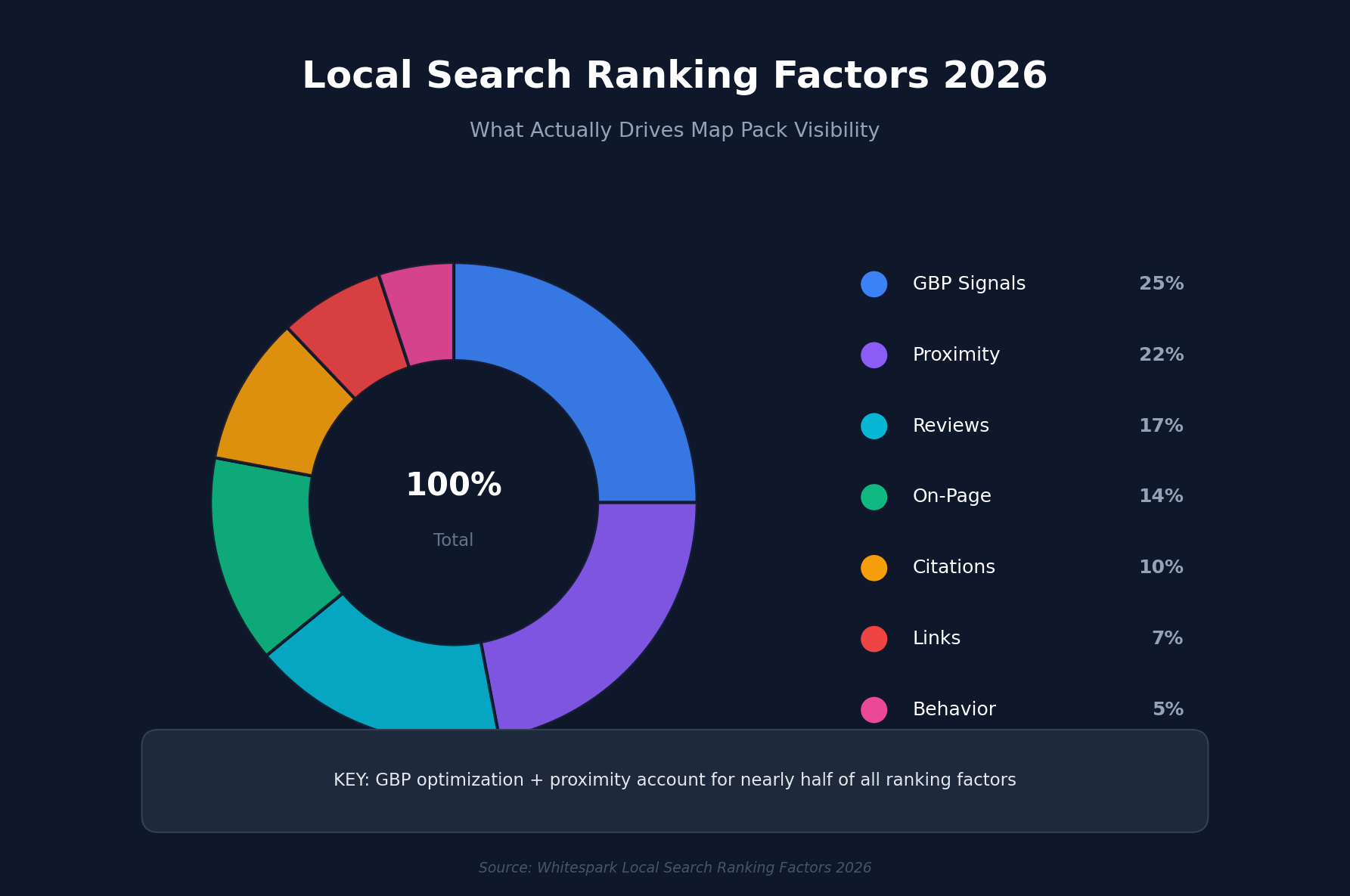
Pro Tips for Better Small Business Rankings

Smart Local Search Marketing Plays for 2026
The Proven Search Checklist for Businesses